

Listen to this section with narration
The Roots: Ronnie and Tammy’s Connection to The Douglas Tavern
To understand the connection Ronnie and Tammy have with The Diddley, you have to understand Douglas itself. It’s not a big town, but what it lacks in size, it makes up for in community gravity. People don’t just live here—they belong here. And for Ronnie Selle, Douglas isn’t just where he lives. It’s where he grew up.
“Born and raised in Douglas,” Ronnie says proudly, rattling off names like Billy, Kathleen, and Kelly like he’s listing siblings.
“Always been good friends—and always visited the Tavern.”
Tammy, on the other hand, didn’t grow up in Douglas. She came from Renfrew, but she’s called Douglas home for nearly three decades now. Her entry point into the community? Ronnie—and, naturally, The Diddley.
“I didn’t know the McHale’s until I met Ronnie,” she explains. “But over time, we became really good friends with them.”
It’s a familiar story in Douglas: people meet at The Diddley, become friends, fall in love, raise families, and keep showing up. The tavern wasn’t just a business. It was a social nucleus, and the Selles were always drawn to its orbit—whether for a planned event or a spontaneous drop-in.
Their connection wasn’t flashy or over-the-top. It was real, steady, and rooted in respect. Over the years, the Selles became part of the Tavern’s extended family, just like so many others. And their stories? Well, they’re just getting started.
The 520 Gang and Friday Traditions
Ask any local about the infamous 520 group, and you’ll likely see a knowing smile. It wasn’t a club with a signup sheet or a committee with bylaws—it was a simple Friday ritual that started with a paycheck, a pint, and a whole lot of laughter. And for Ronnie Selle, it was part of the rhythm of life in Douglas.
“I was part of the 520 Friday night gang about 30 years ago,” Ronnie says, that familiar grin in his voice. “When the bank was still open, you’d finish work, stop in, cash your check, and head straight to the hotel.”
The Douglas Tavern sat just across from the Bank of Montreal, and for many, Friday meant walking out of the bank and into the Tavern—pocket full of cash, heart full of weekend energy. One or two drinks turned into six hours, stories started flowing, and the week’s stress melted into the hum of conversation and the occasional piano tune from a brave soul in the corner.
“You’d always look forward to Friday nights,” Ronnie continues. “It was a mix of the same old faces and new people just passing through. Somebody might jump on the piano, someone else would buy a round—it was always a good time.”
Tammy laughs, remembering how that paycheck didn’t always make it home in full.
“He’d spend a chunk of it before he even got back!” she says.
While Tammy wasn’t a regular in the 520 crowd, she and Ronnie did pop in on a few Fridays to soak in the after-work magic.
“We went a couple of times,” she says. “It was always fun, even if we weren’t weekly regulars.”
The 520 gang wasn’t about the drinks—it was about consistency, connection, and closing out the week with community. These casual gatherings became a kind of low-key town hall, a place where decisions were made, friendships deepened, and local lore was born.
Looking back, Ronnie doesn’t just remember the people. He remembers the feeling. That sense of ease and belonging, the way the Tavern had a way of making you forget the clock and remember what matters.
Because when your week ended at The Diddley, it didn’t matter what the rest of the world looked like. You were home.
St. Patrick’s Day Legends: The Overflow Room and Pregnant Partying
No Douglas Tavern story would be complete without a proper St. Patrick’s Day tale—or two. In a town where March 17th isn’t just a holiday, but a full-on community event, Ronnie and Tammy have a collection of memories that could fill an entire book. But a few of them stand out for how vividly they capture the spirit of The Diddley.
Ronnie’s first truly memorable Paddy’s Day? That one was special.
“We had friends from Renfrew with us—three other couples,” he recalls. “We sat in the back room, the overflow room, and just had a blast. It was the first time Tammy and I really celebrated it together.”
Tammy nods, adding how early it was in their relationship.
“We had just started going out,” she says. “And even then, it felt like we were already part of something bigger.”
That’s the power of The Diddley. It didn’t take long to feel like you belonged. One night, one group of friends, and suddenly you weren’t just at a party—you were part of the tradition.
Then there’s the story that makes everyone smile: the year Tammy was pregnant with Jocelyn.
“It was March 17th, of course,” she says. “And I was VERY pregnant. Jocelyn was born three days later.”
Despite being only days away from delivery, Tammy joined the crowd at the Tavern—not to drink, of course, but to soak in the atmosphere.
“Sober as could be,” she laughs. “Just watching everyone else be crazy and silly. It was such a fun time. Honestly, it was one of my favorite Paddy’s Days—even if I wasn’t partaking like everyone else.”
These stories speak to something deeper than green hats and Guinness. They reflect the emotional gravity of the Tavern. Whether you were young and new to the scene, heavily pregnant, or somewhere in between, you were part of it.
And the memories? They weren’t just made in the main room. The overflow room, the back tables, the hallway near the washroom—every square inch of The Diddley was part of the celebration.
St. Patrick’s Day at the Douglas Tavern wasn’t just about a date on the calendar. It was a marker in time, a way to measure relationships, milestones, and memories.
For Ronnie and Tammy, it’s forever part of their love story—and their family history.
Raising the Next Generation of Diddley Kids
If there’s one thing that made The Diddley truly special, it was how multi-generational it became. It wasn’t just a bar for adults—it was a place where entire families made memories, where kids could feel like part of the magic too. For Ronnie and Tammy Selle, some of their fondest memories involve watching their children, Corey and Jocelyn, grow up inside that world.
Each year, just before St. Patrick’s Day, the Tavern would host a Kids’ Day Sunday, a tradition that ran for years and became a cherished rite of passage in Douglas. It wasn’t just face paint and balloons—kids performed music, earned tips, and felt like stars.
“Some of the funnest times were Kids’ Day Sundays before St. Paddy’s,” Tammy recalls. “Corey would play the fiddle, Jocelyn played piano a couple of times. She wasn’t quite as much of a showman as Corey—she liked the background more.”
It wasn’t a formal concert or talent show. It was raw, real, and full of heart. Kids would set up near the front or wherever there was room, and guests would toss change—and even bills—at their feet. That was all the incentive a child needed.
“It really made the kids want to practice,” Tammy laughs. “We told them they could make some money if they did well. That got them motivated pretty quick.”
Ronnie adds that the turnout was usually 15 to 20 kids, all buzzing with nerves and excitement. And the best part? At the end, they split the money evenly. Every child went home a little richer—not just in coins, but in confidence.
“They had a blast,” he says. “It was just a fun, chaotic, beautiful day.”
Kids’ Day wasn’t just for the children. It was for the parents too. Watching your child step up, perform, and be embraced by the community—it was a reminder that Douglas took care of its own.
In a world where venues often feel closed off to families, The Diddley remained open—literally and figuratively. It was a place where kids could learn the value of effort, the joy of performing, and the feeling of being appreciated. And parents? They got to see their little ones take center stage, cheered on by a room full of familiar faces.
“Corey turned 19, and they told him he couldn’t come back to Kids’ Day,” Ronnie says, chuckling. “He’d outgrown it. Time to move on.”
But he didn’t really move on. He just moved deeper into the story. And that’s what makes The Diddley different. It didn’t just raise a generation—it welcomed them back when they were grown.
Corey Gets “Too Old” for Kids’ Day—and Graduates to the Big Leagues
For years, Corey Selle was a standout at Kids’ Day—playing the fiddle with energy and pride, soaking up the applause and the tip money like any young performer would. But eventually, every kid grows up. And for Corey, that meant stepping beyond the children’s spotlight and into the wider tradition of Douglas music and community celebration.
“When he turned 19, they told him he was too old to come back,” Ronnie jokes. “Get out of here!”
But Corey didn’t stop playing. He just started playing for different audiences—still at the Tavern, still surrounded by people who had watched him grow up, but now as an adult musician with roots in the community.
Tammy recalls times when Corey played for special events, including for local elders visiting the Tavern in the days leading up to St. Patrick’s Day. Evelyn McHale, ever the community connector, would even pull Corey out of school so he could entertain them.
“Evelyn would go up to the school and scoop up some kids to come down and play,” Tammy says. “Corey got out of school a few times that way. He thought it was pretty cool.”
He’d perform for the residents of Bonnechere Manor and other senior groups that visited the Tavern. It was another example of how The Diddley wasn’t just for the nightlife—it was a place where every generation was welcomed, included, and entertained.
“It wasn’t formal. It wasn’t about being perfect,” Ronnie says. “It was about showing up and sharing what you could.”
And that’s exactly what Corey did.
He was also tapped to perform for community projects—like a local video being edited by Sharon Dallaire, where his music added life to the footage.
“Yes, she got Corey to come in and play for that too,” Tammy confirms. “He enjoyed it.”
It’s these transitions—from child performer to community artist—that show how The Diddley didn’t just create moments. It built momentum. Kids grew up not just being entertained, but learning how to give back. To contribute. To become part of something that had once lifted them up.
For Corey, it started with a fiddle. For others, it might have been a piano, a camera, a joke told on stage, or a game of pool. Whatever the entry point, The Diddley opened the door.
And when you walked through it, you were never just a guest.
You were family.
Community Outreach: Evelyn’s Elder Visits and Music in the Air
One of the most touching traditions at The Diddley wasn’t centered around big parties or loud music—it was the quiet, intentional moments of giving back to the community. And no one embodied that more than Evelyn McHale.
Every year around St. Patrick’s Day, Evelyn would invite residents from Bonnechere Manor and other senior homes to come to the Tavern for an early celebration. She knew that the actual holiday might be too overwhelming for some of them—or that mobility or health might keep them away. So, she brought the joy to them.
“She made sure they didn’t miss out,” Tammy says, admiration in her voice. “She’d set everything up at the hotel so they could have their own celebration.”
It wasn’t just about food and drink. It was about music, companionship, and recognition. Evelyn would gather a few young performers from the community—kids like Corey—and bring them in to play a few tunes. Fiddles, guitars, a little piano. Nothing fancy. But deeply meaningful.
“Corey would sometimes get picked up from school to go play,” Tammy remembers. “And he loved it. It made him feel like he was doing something that mattered.”
Imagine being a senior, perhaps unable to get around easily, and having the sounds of your culture—fiddle tunes, reels, jigs—fill the air again. To be surrounded by people who remembered you, made time for you, and included you in the spirit of the season? That’s not just a gesture. That’s community love in action.
And that’s what The Diddley did best.
Evelyn, in particular, had a way of seeing people—not just customers or staff, but neighbors. She believed in showing up, in pulling others in, in making space. Whether it was a group of seniors in March or a tired firefighter in August, she had a meal ready, a seat open, and time to talk.
“She wasn’t just running a business,” Ronnie adds. “She was building something bigger.”
Those quiet gatherings, filled with laughter, tea, and fiddle tunes, may not have made headlines, but they made a difference. And they helped ensure that The Douglas Tavern wasn’t just for the young or the loud—it was for everyone.
It was, at its heart, a place where no one was left out.
Trivia Nights, Team Shooters, and the Joy of Friendly Competition
Not every great night at The Diddley ended in music or dancing—sometimes, it ended in bragging rights. Trivia Night was one of those local staples that brought together the thinkers, the drinkers, and the wildly competitive.
“We had a blast at trivia,” Tammy says, lighting up with the memory. “Ronnie and I went quite a few times. It was usually in the back room, and it got intense.”
Hosted on various weeknights, trivia at the Tavern became a midweek tradition for many. Groups would form teams, create hilariously cheeky names, and settle in for a night of questions, shooters, and the kind of good-natured trash talk only small towns can perfect.
“One of our teams was called the ‘Team Shooters,’” Ronnie laughs. “We were there more for the fun than the prize.”
Though the competition was spirited, the vibe was always warm. If you got a few answers wrong, someone would slide you a drink. If you got a few right, you got applause—maybe even a round of applause if it was a tough question. And the Tavern, with its mix of cozy lighting and familiar faces, created the perfect atmosphere for community bonding.
“It was the kind of night where you could just show up, grab a chair, and join in,” Tammy says. “Whether you were good at trivia or not didn’t really matter.”
And for Evelyn and Terry? They were right in the mix—encouraging the teams, laughing at wrong answers, maybe even jumping in to settle a debate or pour a round.
These weren’t fundraiser galas or ticketed events. They were simple nights, built on shared laughs, inside jokes, and that unmistakable feeling that this is exactly where you’re supposed to be.
“You didn’t even have to plan it,” Ronnie says. “You’d just show up, and if trivia was going, you stayed.”
That spontaneity—that casual kind of magic—was what made The Diddley thrive.
Stag and Does, Weddings, and Fire Department Festivities
The Diddley wasn’t just a bar. It was a venue, a kitchen, a dance floor, and a celebration hall—all rolled into one. Whether you were getting married, hosting a Stag and Doe, or organizing a fire department event, the Douglas Tavern was the default choice. Not because it was the only option, but because it was the right one.
“We had our Stag and Doe there,” Tammy shares. “And we’ve been to a ton more over the years.”
You could almost measure the life events of a Douglas resident by their Tavern timeline. First drink. Stag and Doe. Wedding. Baby celebration. Trivia night. Repeat.
For Ronnie and Tammy, their own pre-wedding party was a mix of chaos, laughter, community generosity, and a lot of food. The kind of night where you didn’t need an invitation—just a ride to town and a willingness to dance.
“It was packed,” Ronnie says. “The McHale’s took care of everything. We didn’t have to worry about a thing.”
And they didn’t stop showing up after their own celebration. The Selle family attended event after event over the years—some for close friends, others for acquaintances. It didn’t really matter whose name was on the sign out front. If it was happening at The Diddley, they were there.
One of the staples? The Fire Department dinners, which combined two beloved Douglas traditions: honoring service and enjoying Evelyn’s cooking.
“We’d go to the firemen’s dinners, too,” Ronnie says. “They always had great food, great turnouts.”
These nights weren’t just meals. They were community touchpoints—a place to say thank you, catch up, and see everyone in one place.
And again, Evelyn was at the center of it all. Whether it was setting up tables, organizing trays of egg rolls, or running back and forth behind the bar, she was the kind of host who never needed to be asked. She just did.
Ronnie and Tammy don’t remember every detail of every event—they all blur together after a while. But what they do remember is the feeling.
“You never had to second guess anything when it was at the Tavern,” Tammy says. “It would be well done. It would be fun. And you’d be surrounded by people who actually cared about being there.”
And that’s what mattered most.
In a world where everything feels so scheduled, corporate, and impersonal, The Diddley remained personal. Events weren’t “produced.” They were hosted—with heart, with hustle, and with hometown pride.
The Meals That Mattered: Evelyn’s Kitchen and Legendary Egg Rolls
Ask anyone in Douglas what they remember most about The Diddley, and sure—music, beer, and St. Patrick’s Day will come up. But sooner or later, someone’s going to say it:
“The food. And those egg rolls.”
For Tammy Selle, one particular food memory sticks out. And it’s so “Douglas,” you can almost taste it.
“It was the middle of the night, and we were at the Tavern,” she laughs. “Evelyn offered me an egg roll, and I was like, ‘An egg roll? From where?!’”
She wasn’t being ungrateful. Just surprised.
“I mean, you don’t go to a bar expecting top-tier egg rolls at 1 in the morning!” she says. “But I took it—and it was fantastic.”
That’s Evelyn for you. Always thinking ten steps ahead. She wasn’t just serving bar snacks. She was making meals with meaning. Firefighters coming off a long shift? They were fed. Kids at music events? There were snacks. Elder visitors for a St. Paddy’s warm-up? Homemade food and tea, always.
“She just had a way of making sure everyone was fed and happy,” Ronnie says. “Even if you didn’t know you were hungry—suddenly you’re sitting there eating the best egg roll you’ve ever had.”
Food at The Diddley wasn’t some outsourced, frozen-afterthought menu. It was home-cooked, thoughtful, and made with care. It brought people together just as much as the music did. Maybe more.
And while the drinks flowed, it was Evelyn’s food that often kept the night going. Something to soak up the beer. Something to make you feel taken care of. Something that reminded you—you were in Douglas. You were among friends. And you were probably going to need another egg roll.
Before Cell Phones: Evelyn, The Lifeline and Community Switchboard
Long before smartphones, group chats, and Facebook events, Evelyn McHale was the original “push notification” of Douglas. She wasn’t just the co-owner of The Diddley—she was the community lifeline, a human switchboard who knew how to track you down faster than any app could.
Tammy and Ronnie Selle laugh when they think back on it.
“If you needed someone in town, and you didn’t know where they were,” Ronnie says, “you’d just call the Tavern and ask Evelyn.”
And nine times out of ten, Evelyn would know.
“She could tell you who was there, when they were there, and probably what they were drinking,” Tammy adds.
But Evelyn’s communication network wasn’t just for fun. It was functional, even lifesaving. She was often the one who answered fire calls before they officially reached first responders. She had radios, contacts, and knew which regulars were also volunteer firefighters. If something happened in town—Evelyn heard it first.
“Sometimes a call would come in,” Ronnie recalls, “and she’d run around the bar saying, ‘You gotta go. Fire call!’ And within minutes, guys were gone.”
It didn’t stop there. Evelyn would often take it upon herself to notify family members—especially the wives—when their husbands had been called out on emergency runs. She knew how to get a hold of people, when to call, and how to deliver the message in a way that was calm and clear.
“She wasn’t nosy. She was just on it,” Tammy explains. “She cared. She always knew where people were, what was going on, and how to help.”
In many ways, Evelyn’s presence behind the bar was about more than drinks and food. It was about keeping the pulse of the community. She was part bartender, part dispatcher, part event planner, part mom to the entire town.
Need to book a room for a party? Evelyn knew the schedule.
Can’t find your husband on a Friday night? Evelyn had eyes on him.
Want to check if the kids are done performing their fiddle songs? Evelyn had the playlist.
She was the Tavern, and the Tavern was the town’s beating heart.
Before group texts and social media, there was The Diddley—and Evelyn was the thread that stitched the whole fabric of Douglas together
COVID Closures and the “Unplanned Night That Became Everything”
The pandemic hit every community differently, but in places like Douglas—where social life depends on gathering—it struck especially deep. The closure of The Diddley during COVID-19 wasn’t just a lost business—it was a loss of ritual, rhythm, and connection.
But Douglas folks are nothing if not resilient. And in true Diddley fashion, the community found ways to make joy out of disruption.
Tammy and Ronnie remember one night in particular—a planned birthday party that didn’t quite go to plan.
“It was supposed to be my birthday party,” Tammy says, “but COVID messed up the plans.”
The event was canceled, and they had a choice: call it off completely or find a way to salvage the evening.
“We decided, ‘Let’s just go to the Tavern anyway,’” she says. “Just the two of us, have a quiet drink.”
But The Diddley has never been a place for quiet drinks. And even during a pandemic—when gatherings were restricted and routines were off—the magic found a way in.
“We ordered pizza, and Ronnie got on the phone and started calling around,” Tammy laughs. “And before we knew it, the place was full—with all the people we would’ve invited in the first place.”
It was spontaneous. It was safe. And it was perfectly Douglas.
People trickled in, greeted each other with elbow bumps and distant cheers. Music played, jokes were cracked, and the birthday that almost wasn’t became one of the most memorable nights in years.
“It reminded us how much we needed that space,” Ronnie says. “Even in tough times, the Tavern gave us something solid to hold on to.”
That night wasn’t just a party. It was a reminder that community isn’t about a building or a plan—it’s about people showing up for each other.
And at The Diddley, they always did.
The Douglas Tavern as a Spontaneous Gathering Place
There are bars that need to send invites, post flyers, and run ads to fill a room. And then there was The Diddley, where half the best nights weren’t even planned.
That’s what made it magic.
Tammy and Ronnie Selle remember dozens—maybe hundreds—of nights when the plan was nothing. No big event. No band booked. No trivia. And somehow, it still ended up being the best night of the week.
“It was one of those places you could just go on a whim,” Ronnie says. “You didn’t need a reason.”
And the best part? You always ran into someone you knew. The Tavern had a way of magnetizing the right people at the right time. Whether it was five friends huddled around a corner table or a spontaneous group of 20 celebrating someone’s promotion, there was always something happening.
Tammy recalls one night where a plan for “just one drink” spiraled into an impromptu dance party.
“I think we meant to be home by 9,” she laughs. “Next thing we know, the jukebox is on, we’re dancing, and we’re the last ones there.”
The Douglas Tavern didn’t host community. It was community. It wasn’t just where people partied—it was where they landed. After a long day. After a rough week. After good news. After heartbreak. It was the place where you didn’t have to explain yourself—you just had to show up.
That’s what The Diddley offered: a door that was always open, even when nothing special was on the calendar.
“That’s what I miss most,” Tammy says. “That feeling of walking in, no plan, and leaving with a full heart.”
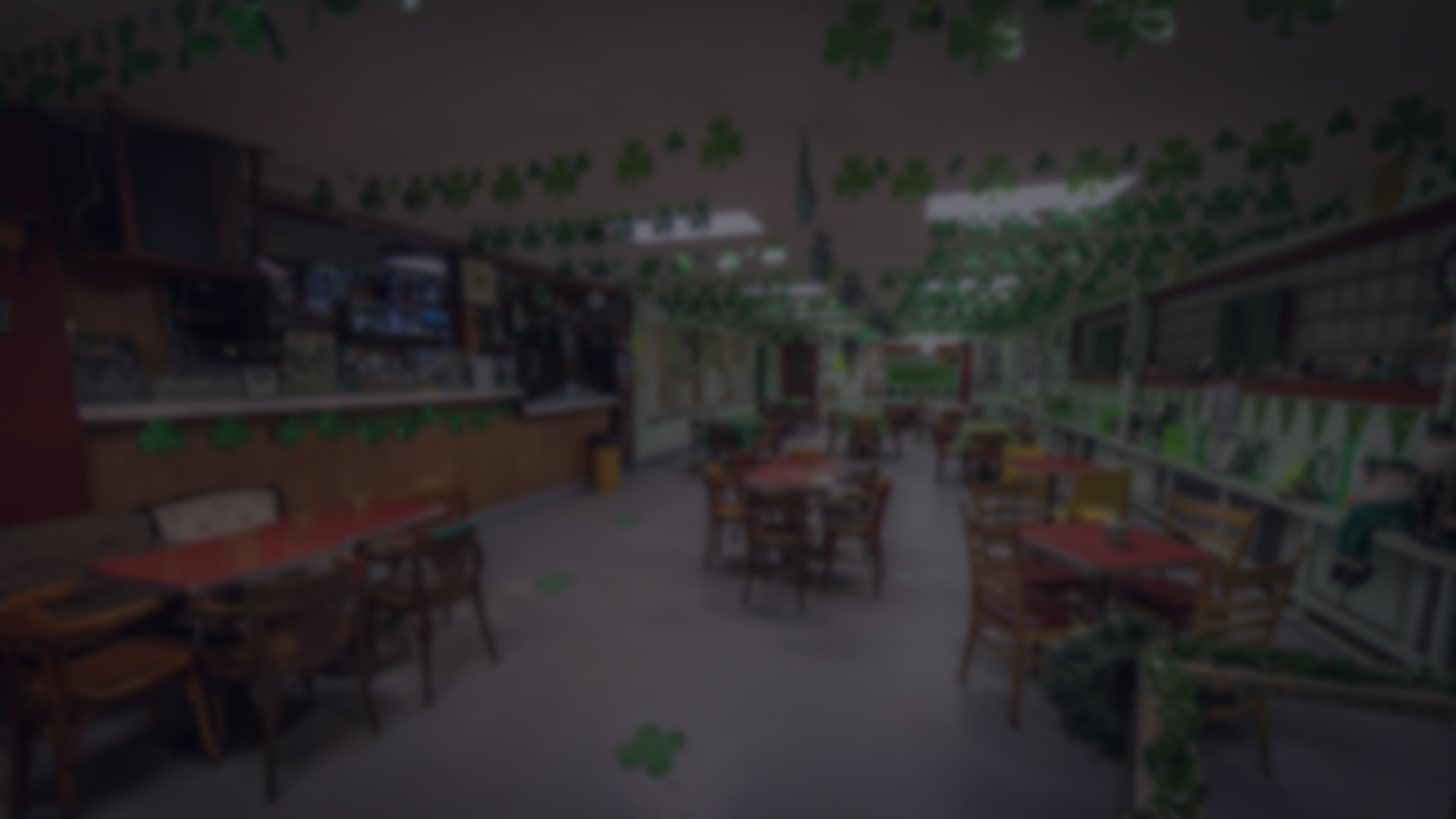
A Farewell to the McHale’s: Gratitude and Goodbyes
There’s so much to say, and yet, words never quite feel like enough.
“They were just… everything,” Tammy says. “You never felt like a customer with them. You felt like family.”
Terry and Evelyn didn’t just serve drinks or book events. They welcomed people in. They remembered names, poured drinks just the way you liked them, and kept an eye out for who needed what—even if they never asked.
“Evelyn knew when you were tired. When you needed to talk. When you needed food. She just knew,” Ronnie says.
Their impact stretched far beyond the bar. They created a place where children could grow up performing music, where strangers became best friends, where birthdays were rescued from cancellation and Friday nights became legend.
“We’re grateful,” Tammy says, eyes bright. “We really are.”
Their legacy won’t just be etched in the walls of the building. It will live on in these stories, these photos, and this community.
“Thank you, Terry. Thank you, Evelyn,” Ronnie adds. “For everything.”