

Listen to this section with narration
Meet Erin and Charles: Lifelong Friends of The Diddley
To know The Diddley is to know its people. And few embody its spirit more than Erin Watson and Charles Watson. Born and raised in Douglas, both of them have long-standing ties to the tavern that go beyond a pint and a barstool. Their friendship with the McHale’s, the legendary family behind the tavern, runs deep—woven through family connections, shared history, and countless celebrations.
Erin is the kind of person who’s everywhere, but never in the spotlight. If you’ve browsed the Douglas Tavern Facebook page, you’ve likely seen her name on photo credits. That’s because she’s been the unofficial—and beloved—photographer of the hotel for years. From family-friendly events to rowdy St. Paddy’s blowouts, she’s captured it all. Not for recognition, but for love.
“I just enjoy taking pictures of the people,” she says. “Family Day Sunday is an awesome day at the tavern, and I love to photograph all the kids for memories and years to come.”
Charles, on the other hand, may be best remembered standing at the entrance during the biggest day of the year: St. Patrick’s Day. His role as doorman might sound simple, but it was vital. Keeping the flow, keeping the peace, and keeping the vibe right.
“Billy asked me if I’d be interested,” he says with a grin. “I told him I thought I might do better on the other side of the bar, but I ended up being the doorman anyway—and had a lot of fun doing it.”
Both Erin and Charles speak not with nostalgia, but with genuine affection. This wasn’t just a bar they went to—it was a central part of their lives, their community, and their story.
“You never felt like a customer,” Erin says. “Not just a customer—you were always a good friend of theirs.”
That’s what makes this story so important. Because it isn’t about beer or barstools—it’s about belonging.
Becoming Part of the Fabric: From Photographer to Doorman
What makes a place feel like home? For some, it’s the warm smile behind the bar. For others, it’s the faces in old photographs, forever frozen in joy. For Erin Wattson and Charles Watson, it was something more—it was the roles they played in shaping and capturing the life inside The Diddley.
Erin never set out to be the Tavern’s photographer. She didn’t apply for the title or receive an official badge. Instead, it happened the way the best things often do—organically. She loved photography, and she loved people. So, camera in hand, she started showing up and clicking away. Birthdays, Stags and Does, Family Day Sundays, anniversaries—you name it, she was there, quietly framing the life and heart of Douglas through her lens.
“Billy always refers to me as the Douglas Tavern’s photographer,” she says with a laugh.
But the photos were never about recognition. They were about preserving moments. Erin’s lens captured the kind of details that memory tends to blur: the way the light hit a pool table on a Saturday night, the sheer joy on a kid’s face during a Family Day, the way old friends leaned into one another, drinks in hand, stories flying.
Charles’s role may not have involved a camera, but it was just as important. Every St. Patrick’s Day, when the crowd surged and the energy pulsed, Charles was the steady hand at the door. He wasn’t just checking IDs. He was making sure The Diddley kept its balance—a place wild with celebration, but always safe and welcoming.
“I thought maybe I did a better job on the other side of the bar,” he jokes. “But I had lots of fun doing it too.”
Their contributions weren’t flashy or loud. They were subtle, essential, and deeply appreciated. Together, Erin and Charles represent the quiet caretakers of culture—the people who show up, who pitch in, who take on roles not for profit or prestige, but out of love for the community.
It’s these kinds of roles that hold a place together. Without them, the walls are just wood and brick. But with them? With people like Erin and Charles behind the scenes? A bar becomes a home, a history, and a heartbeat.
Capturing the Spirit: Photography and Memories
When you look through Erin’s photo archives, you’re not just looking at pictures. You’re flipping through a visual diary of a town’s soul. A grin here. A messy Stag and Doe dance floor there. Kids posing with face paint, seniors with mugs of Guinness, musicians mid-strum. It’s all there—moments that may have seemed small in real time but now shimmer with meaning.
“I love to photograph all the kids, you know, for memories and years to come,” Erin says. “It’s mostly just for fun—but it means a lot to people.”
That’s the thing—photographs become community heirlooms. In small towns like Douglas, where moments pass quickly and the pace of life feels simple, having someone like Erin quietly documenting it all means everything. Her photos weren’t just for social media posts. They were pieces of local history, each one capturing the unfiltered, beautiful chaos of life in and around The Diddley.
Take Family Day Sunday, for instance. While others were drinking and chatting, Erin was in the thick of it—kneeling down to get that perfect shot of a laughing toddler, zooming in to capture an old friend’s toast, snapping candid moments between strangers who didn’t yet know they’d be lifelong friends. And of course, every St. Patrick’s Day brought a flood of opportunity: green hats, raised glasses, packed dance floors, and the unmistakable atmosphere of shared joy.
“It was just something I loved doing,” she says. “People would see themselves in the photos years later and thank me. That’s when I realized—these aren’t just pictures. They’re memories.”
Photography, when done with care and heart, becomes a kind of emotional glue. It connects past to present, people to place. Erin didn’t just take pictures—she helped people remember who they were, where they came from, and why it mattered.
The Douglas Tavern didn’t hire Erin to do that. The community just got lucky enough that someone with a deep love for her town, her people, and her craft was there, camera in hand, ready to capture it all. And because of that, the spirit of The Diddley won’t just live on in stories—it will live on in images, too.
The Douglas Tavern as a Community Hub
It’s easy to call a bar “the local hangout.” But for Douglas, The Diddley was so much more than that. It was the town square, the community center, and the living room of the village—all rolled into one. When people in Douglas needed a place to gather, to celebrate, to grieve, to laugh, or to simply catch up on local gossip, they didn’t look for a hall or a venue. They headed to the Tavern.
“There’s no community hall or anything in town,” Charles explains. “So when people wanted to get together, there were meetings held at the tavern. It was our place to go.”
The Diddley was where things happened. And not just on the big holidays or during big events. It was a place where, any day of the week, something meaningful could unfold—a fundraiser could take root, an impromptu jam session might spark, or a committee meeting could finalize plans for the next town celebration.
Erin describes it as “the heart and soul of Douglas.” That’s no exaggeration. It was the one place everyone always came back to. Whether you were a college kid heading home for the weekend, a parent celebrating a milestone, or a senior looking for familiar faces and good conversation—The Diddley was waiting for you, doors open, lights on.
There was a kind of rhythm to life in Douglas, and The Diddley was the drumbeat. It marked time with its events, shaped the week with its routines, and gave people something to look forward to. It was predictable in the best way—always there when you needed it, never trying to be more than it was, yet somehow being everything.
Even when people moved away, they still came back for The Diddley. Erin remembers driving back from Ottawa on Thursday nights with her friends from Algonquin just to play volleyball—and, of course, to stop by the Tavern before heading back. It wasn’t just about the drink or the food. It was about connection. About the faces you’d see, the laughs you’d share, and the way you’d always feel like you’d never left.
“It’s where everybody came back to,” she says. “Where we always stopped, even just for a quick visit. Because that place? That’s where the people were.”
In many towns, bars come and go. But in Douglas, the Tavern was more than a place to go out—it was a place to come home.
Stag and Does, Euchre Nights, and Lions Club Involvement
The magic of The Diddley didn’t come just from spontaneous nights out. It also came from the planned ones—the community-led, purpose-driven events that made a real difference in people’s lives.
From wild Stag and Doe parties to Euchre tournaments, from Lions Club fundraisers to benefit concerts, the Douglas Tavern didn’t just host events—it enabled impact. Erin and Charles were both involved in or present for many of these, and they speak with clear pride about how the Tavern was always ready to step up for a good cause.
Erin remembers one of the biggest nights: their own Stag and Doe, which took place right there at the hotel.
“It was huge. We didn’t really know what to expect, but the turnout was incredible. So many people showed up. It was just one of those perfect Douglas nights.”
Events like that weren’t just good times—they were community fundraisers, family reunions, and social lifelines all at once. When someone needed help, the Tavern opened its doors. If there was a tragedy, a cause, or a milestone to celebrate, the people of Douglas knew where to gather. It was never a question of if—just a matter of when and how big it would be.
And it wasn’t limited to just the town’s younger crowd. Seniors came too. Erin shared how groups like the Bonnechere Manor seniors program would visit every year around St. Patrick’s Day. The Tavern would welcome them with warmth, music, and, of course, the famous stew. The sense of hospitality was unmatched—people would step aside to make room, extra meals would appear out of nowhere, and everyone felt taken care of.
“That one year, it got so busy we ran out of stew,” Erin laughs. “Evelyn just turned to my mom and asked if she had more down in the kitchen. Of course she did. That’s how things worked around here.”
That story alone speaks volumes about how intertwined the Tavern was with family, tradition, and trust. It wasn’t just the McHale’s running things—it was the community, chipping in however they could.
And when the Irish Society from Ottawa showed up with not one, but two full buses of guests? The place exploded with energy. Regulars gave up their seats in the main room and migrated to the men’s side. It was crowded, chaotic, and absolutely unforgettable.
“It was pretty neat,” Charles said with pride.
These weren’t one-off memories—they were woven into the identity of the town. And without the Tavern? These moments wouldn’t have had a home.
The Bonnechere Manor Visits and Irish Society Memories
Some of the most heartwarming moments in The Diddley’s history didn’t come during the loudest parties or the latest nights. They came during the quieter, more intentional acts of community care—moments when people gathered not just for fun, but for connection across generations and cultures.
Erin and Charles spoke fondly about the annual visits from the Bonnechere Manor seniors program, a tradition tied to the anticipation of St. Patrick’s Day. The seniors would make their way to the Tavern about a week before the official celebration kicked off, eager to be part of the spirit even if they couldn’t handle the full frenzy of the big day.
“They love the daycare program,” Erin shared. “And they love to come up and have that visit at the hotel. It became their own little celebration.”
The Tavern welcomed them with open arms and warm bowls of stew. These weren’t token gestures—they were acts of genuine community hospitality. One year, the event drew such a large turnout that they ran out of stew, prompting Evelyn to call on Erin’s mom, Debbie, to dip into her own kitchen reserves.
“Do you have more stew down in your kitchen?” Evelyn asked.
“Absolutely,” Debbie replied—without hesitation.
That’s just how things worked in Douglas. It was never a question of whether you’d help, but how fast you could get the job done. The community stepped in for each other seamlessly.
Then came the unforgettable visit from the Irish Society out of Ottawa. If the seniors warmed hearts, the Society blew the roof off. That year, two full buses of Irish culture, energy, and celebration rolled into town. The Tavern was packed to the rafters. The crowd was so large that the usual patrons—people who rarely missed a Saturday night—voluntarily relocated to the men’s pool side, just to make space for the wave of visitors.
It wasn’t seen as an inconvenience. It was an honor.
“The buses were full… and we had to give up our seats,” Erin recalls. “But it was amazing. That kind of energy? You just don’t forget it.”
These moments show how The Diddley wasn’t just for Douglas—it was a destination for others, a place where people outside the community could come and feel instantly at home. Whether you were 90 years old from Bonnechere Manor or fresh off a bus from Ottawa, you were welcomed with the same enthusiasm.
It’s rare to find a place that balances tradition with openness. That honors the old while embracing the new. The Douglas Tavern did that—effortlessly.
And that’s why these visits weren’t just special. They were symbols of what made The Diddley sacred.
The Infamous 520 Group: After-Work Traditions
Every great community hub has its share of quirky traditions. But few are as beloved—or as hilariously relatable—as the 520 Club. Ask around Douglas, and you’ll find people smiling at the memory, maybe a little fuzzy on the details, but 100% sure it was something special.
So, what exactly was it?
The 520 was a simple ritual: after work on Friday, you’d head straight to the Douglas Tavern for a quick pint. You know, just one drink before going home.
Except… no one ever had just one.
“That never happened for us,” Erin admits with a laugh. “We didn’t really ever leave right away.”
According to local lore, the whole thing may have started with Alan Bruce, Mark McKeon, Angela McHale, and a few other regulars, casually joking about forming a club. Alan was dubbed “president,” Maureen Enright was listed as “secretary,” and what began as a spur-of-the-moment idea quickly grew into a beloved weekly ritual.
The magic of the 520 was in its spontaneity. Some weeks it was a small crowd—maybe 10 people winding down from a long week. Other Fridays, it ballooned into a 30-person affair, with the kind of laughter, storytelling, and bonding that made time disappear.
“There were some nights we were there till 10:30, 11 o’clock,” Charles remembers.
And because the Tavern didn’t typically run the kitchen for these casual Fridays, folks sometimes stayed so late that Terry and Evelyn would order pizza for the group, just to make sure everyone was fed.
There was no event listing, no formal invite. You just knew: Friday at 5:20—you go to The Diddley.
What makes the 520 so endearing is how normal it sounds, yet how special it became. In big cities, after-work drinks come and go without meaning. But in Douglas, they turned into a legacy. A club. A family.
“We’re really going to miss that,” Erin says.
These weren’t grand fundraisers or planned reunions. They were just people showing up for each other, again and again. And that, in many ways, is what The Diddley was all about: consistency, connection, and comfort.
Even in its smallest rituals, The Diddley made big memories.
First Legal Sips: The Magic of Turning 19
There’s something unforgettable about your first legal drink—especially when it happens somewhere that already holds childhood memories, family history, and small-town magic. For Erin and Charles, that first drink wasn’t just about ordering a pint—it was a rite of passage, a moment when they went from watching the fun from the sidelines to becoming part of the story.
Erin’s first drink at the Douglas Tavern was on her 19th birthday, and she remembers every detail with a kind of fond nostalgia only locals truly understand.
“I was with Teresa Lynch—Teresa McEachen Lynch—from Douglas,” she recalls. “That was the first time we went in. We stopped at the Tavern before heading anywhere else.”
It was more than a stop. It was a milestone, the opening scene of a whole new chapter. For Erin, who had attended family events at the hotel since childhood, the space already held deep emotional weight. She remembers sleeping on two chairs pushed together during Christmas parties, waiting for her parents to say it was time to leave. Always just outside the experience, watching through the lens of youth.
But that night? She stepped inside the bar as an adult, and everything changed.
“That St. Patrick’s Day after was amazing,” she adds. “It just felt like I was finally part of it.”
Charles has his own memory tied to work life. When he started with a local contractor just up the street, he and his crew put in long weeks doing hydro and bell work. Every Friday, without fail, they followed a simple routine: cash their checks at the Bank of Montreal across the road, then cross back to The Diddley for the real end of the week.
“We’d walk down the street, cash our checks, then head into the Tavern,” he says. “Some of the fondest memories I have were from those nights.”
The camaraderie was instant. New guys joined the crew, older workers passed down stories. Phone calls from wives reminded them it was time to come home. But inside the walls of the Tavern, those few hours were sacred—a weekly ritual of release, connection, and storytelling.
Both Erin and Charles speak of those early days at The Diddley not with drunken nostalgia but with genuine warmth. It wasn’t about the alcohol. It was about growing up in a place that felt like it had been waiting for them all along.
Your first legal drink is something you never forget. And when it happens in a place like The Diddley—where community, family, and history come together—it’s not just a memory.
It’s a homecoming.
A Place That Brought Everyone Home
There are places in life that tug at you no matter how far you roam. For Douglas locals, The Diddley was exactly that: a magnetic force that pulled people back again and again. Whether they had moved to Ottawa for school, taken a job out of town, or simply drifted into the chaos of adult life, The Douglas Tavern remained the compass that pointed them home.
Erin remembers it well. During her college days at Algonquin in Ottawa, Thursday nights meant one thing: driving back to Douglas for volleyball. It wasn’t unusual for a group of students to pile into one car, hit the road after class, and make it just in time for a match. But they didn’t just play and leave.
“We’d always stop at the hotel before heading back,” Erin says. “With a designated driver, of course. But we never missed the chance to pop in.”
That quick stop wasn’t about drinks. It was about belonging. Walking into the Tavern and seeing familiar faces—old friends, former teachers, neighbours, bartenders who knew your family by name. It grounded them. It reminded them of who they were and where they came from.
Charles describes a similar rhythm. Even for people who had left the area decades ago, The Diddley acted as a reunion hall—a place to reconnect with people you might only see once a year. And that once-a-year moment? Almost always on March 17th.
“On St. Patrick’s Day, you’d see people from Mount St. Patrick, Pakenham, all over,” Charles says. “People you hadn’t seen in a year, maybe longer. And every time, they’d show up at The Diddley.”
These weren’t planned reunions. No Facebook events, no flyers, no RSVP. Just a shared understanding: “I’ll see you at the Tavern.”
The building became more than a local watering hole. It became a beacon. The kind of place that no matter how much your life changed, you could always return and feel like nothing had changed at all.
You’d walk in and the music would be familiar. Someone would call your name. Someone else would tell a joke you’d heard before. The pool table might have new cues, but the same crowd hovered around it. And for a few hours—or a few days—you were back. Not just physically, but emotionally, spiritually, and wholly back in Douglas.
It’s rare in life to have a place that consistently shows up for you. One that doesn’t ask questions, doesn’t care how long you’ve been gone, but simply opens the door and says, “Welcome home.”
That was The Diddley. And for many, it still is.
The Millennium Celebration to Remember
Every bar has its fair share of wild nights, but some nights etch themselves into community history—not because of chaos or excess, but because everything feels right. For Erin and Charles, the millennium celebration at The Diddley—New Year’s Eve, 1999—was one of those perfect moments.
It wasn’t just another party. It was the kind of gathering where everything clicked: the people, the music, the atmosphere, the décor. It was a celebration that marked time, not just on a calendar, but in people’s lives.
“It was unbelievable,” Erin says, her voice still filled with the awe of that night. “When we brought in the year 2000 at the hotel, it was beautiful. Just amazing.”
What made it so special?
To start, the place was transformed. The often-discussed (and deeply nostalgic) orange curtains were taken down—yes, finally—and replaced with something sleeker, more celebratory. The women of Douglas, including Kathleen and Kelly, poured their hearts into reimagining the space. Lights twinkled, decorations sparkled, and the familiar tavern was suddenly dressed in its finest clothes.
“The whole look of the inside changed,” Erin recalls. “It was all lit up. It just felt different—special.”
The crowd? It was a who’s who of Douglas. Locals, old friends, people from Eganville, Cobden, Ottawa. Everyone you’d expect—and a few you wouldn’t—showed up for what felt like the ultimate family reunion.
There was a beautiful dinner, the kind you don’t expect from your local tavern. Dancing followed, and the music carried everyone into the early hours of the new millennium. But it wasn’t just the fun or the food—it was the energy in the room.
“It was like a Cheers moment,” Erin says. “We were all there. Everyone we knew. All together.”
And in true Diddley style, the event didn’t end at midnight. The night included the creation of a time capsule, buried to commemorate the turning of the century. It was Evelyn’s idea—a physical piece of history to be rediscovered someday, a way to say, “We were here. And it mattered.”
For Charles, the memory stands out just as strongly. It was a reminder that even as the world changed around them—new technology, a new century, new fears and hopes—Douglas remained Douglas. Grounded. United. Full of joy and laughter and music and warmth.
“It was one of the best times we ever had there,” Erin says simply.
“And we’ve had many good ones.”
That night wasn’t about escaping reality. It was about embracing it together, in a place that had already given so much to so many. And as the clock struck midnight, and the room erupted in cheers and toasts, something deeper was felt in the air: gratitude.
For the Tavern. For the people. For the magic of the moment. And for the comfort of knowing that no matter what the future held, The Diddley had already given them something timeless.
The Orange Curtains (Yes, Really)
Sometimes the smallest things tell the biggest stories.
When asked about changes over the years at The Diddley, Erin didn’t point to the evolving clientele or updated menus. She didn’t mention the renovations or the rising popularity of certain events.
She mentioned the orange curtains.
“The only thing I can really remember changing was the orange curtains in the hotel,” she says, laughing. “They were up for as long as I can ever remember.”
It might sound silly, but that detail struck a chord—not just with Erin, but with others, too. Julie mentioned them. Maureen kept them. Those orange curtains became a symbol of The Diddley’s charm, consistency, and quirky character.
They weren’t stylish. They weren’t modern. But they were familiar—like a pair of well-worn jeans or an old couch that’s seen every family movie night. And when Evelyn finally took them down? Something shifted.
“Once Evelyn changed those curtains, they never stopped changing,” Erin says. “There were always new ones after that.”
In a way, the curtains were like the tavern itself—humble, loved, and a little bit stuck in time. Their removal didn’t spark outrage, but it did signal a new era. A gentle nudge forward. A sign that the Tavern, like the town, was ready to adapt… just a little.
It’s funny how such a small thing can hold so much emotional weight. The curtains weren’t just fabric—they were memory markers. Anyone who grew up in Douglas would know exactly what Erin meant. They’d walked past them, sat under them, watched the sun filter through them on countless evenings.
And while change is inevitable, and perhaps even necessary, it’s okay to miss the orange curtains. Because sometimes, that’s how we hold onto the pieces of our past.
The next generation might not remember them. But thanks to voices like Erin’s, the stories—and the laughter they bring—will live on.
The Next Generation: Fiddlers, Dancers, and Dreamers
What makes a legacy last? It’s not just the stories passed down or the traditions held dear—it’s the people who come next. And in Douglas, there’s no shortage of young people ready to carry the torch. Erin and Charles both light up when talking about the next generation of Diddley-goers, and the way music, dance, and community pride continue to flourish.
“We have a lot of live entertainment,” Erin says. “So many kids in Douglas are talented. They dance, they fiddle, they sing. It’s incredible.”
St. Patrick’s Day may be the most obvious stage for these young talents, but their performances and involvement span the entire year. These kids aren’t just entertainers—they’re community builders. They grow up surrounded by music, laughter, and storytelling. They see how older generations gather, how people care for one another, and they absorb it all like sponges.
They also understand the importance of keeping the traditions alive. When Erin talks about what might happen now that the Tavern isn’t fully open, she’s confident the spirit of the place won’t fade.
“Even if we’re not at the hotel on the 17th of March, we’ll find somewhere to be together. That’s what matters.”
There’s been talk of progressive house parties—a different home each night, celebrating the St. Patrick’s week like a traveling carnival of community spirit. It might not be the same, but it’s still Douglas. Still The Diddley at heart.
These young people aren’t passive observers. They’re deeply engaged. Whether it’s playing music at a fundraiser, helping with setup for a Family Day, or simply showing up with their families to support a local cause, they’re proving that the soul of Douglas isn’t going anywhere.
And the best part? They know the stories.
They’ve heard about the orange curtains. They’ve listened to their parents talk about 520 Fridays and Millennium parties. They’ve seen the photos Erin took, maybe even starred in a few. They understand that The Diddley wasn’t just a bar—it was a stage, a classroom, and a sanctuary.
“I think we’ll keep the spirit of that going,” Erin says with pride.
When a community builds something special, the next generation doesn’t need to be told to protect it. They feel it. They grow up with it as part of their DNA. And that’s exactly what’s happening in Douglas.
The Diddley isn’t just remembered by the older crowd—it’s reimagined by the younger one. And that’s how legacies last forever.
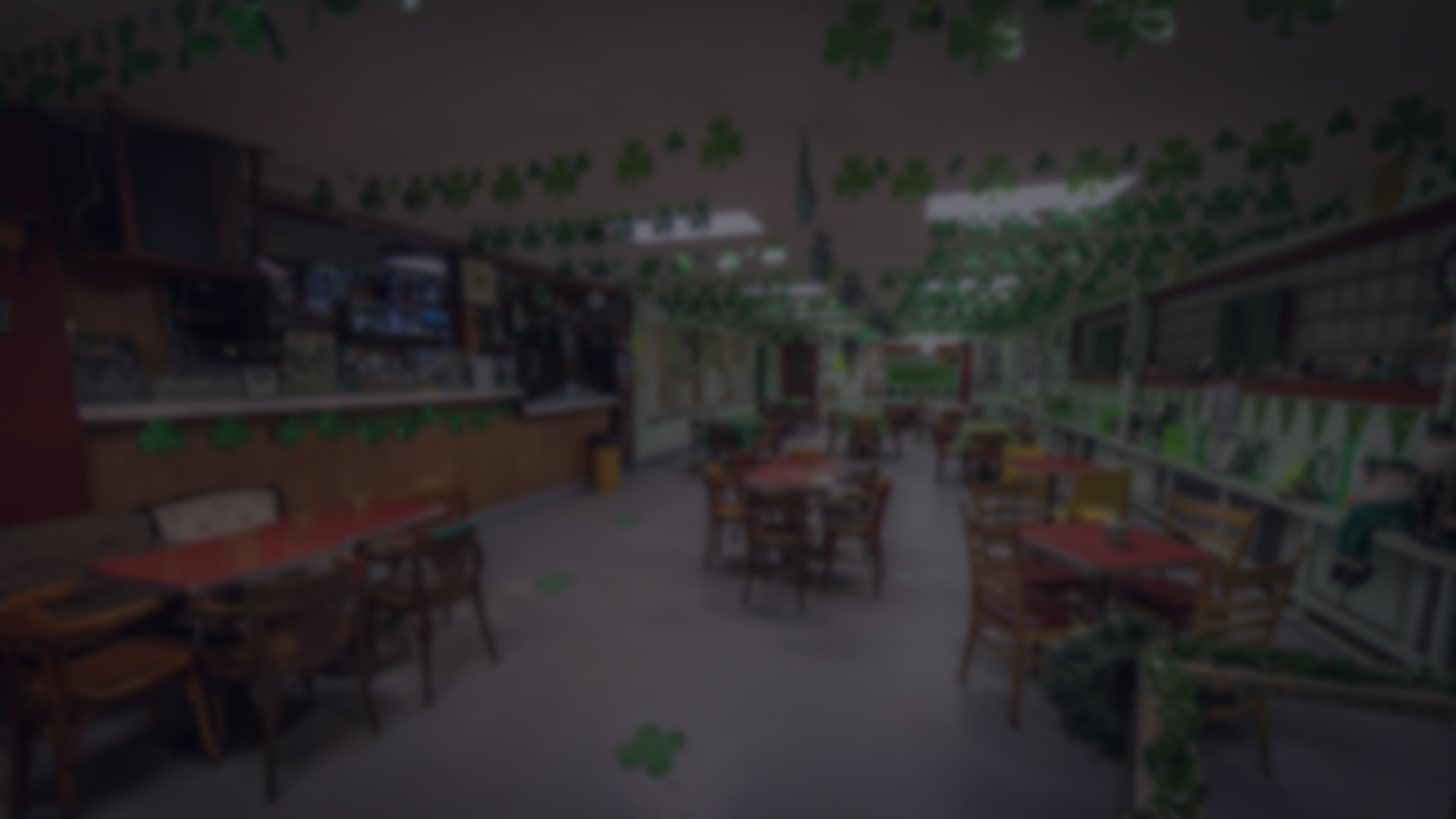
A Thank You to the McHales and All Who Made It Possible
Behind every legendary community space, there’s a family that held it together—day after day, year after year. For Douglas, that family was the McHales.
Erin and Charles don’t mince words when it comes to their appreciation.
“They treated us and our families like family,” Erin says, her voice warm with gratitude. “You never felt like just a customer. Not once.”
The McHales didn’t run the Tavern like a business. They ran it like a community hearth. They were at the door, behind the bar, in the kitchen, organizing events, clearing tables, and making sure everyone—young or old, regular or first-timer—felt like they belonged. They gave everything they had: their time, their patience, their energy, and their hearts.
“They gave us 120% all the time,” Charles says. “It was where the whole community met—and we thank them for that.”
The Douglas Tavern wasn’t built by one generation. It was kept alive by all of them. And the McHales were there through it all—through changing times, evolving crowds, and endless St. Paddy’s Days that ran into sunrise.
Their impact wasn’t just in what they gave. It was in how they made people feel. Erin speaks of a long-standing family friendship, one that blurred the line between ownership and community.
“My family and the McHales have been friends for a long time,” she says. “And they treated us like friends—not customers—from the very beginning.”
That kind of care is rare. And it’s one of the many reasons the Tavern became more than a business. It became a legacy.
A place like The Diddley doesn’t just happen. It’s built with intention, held up by effort, and made magical by love. And for that, the McHales will forever hold a place in Douglas history—and in the hearts of everyone who ever walked through those doors.